A NEW INTELLIGENCE
FOR AN INTERCONNECTED WORLD
Where design, art, artificial intelligence, technology, and digital fabrication converge to address the problems no single discipline can solve.
A NEW INTELLIGENCE
The vertiginous challenges confronting humanity - climate change, ecological disruption, population migration, geopolitical crises, technological acceleration, cultural fragmentation, and growing social complexity - are deeply interconnected. They cannot be understood, much less solved, from within a single discipline. They require a new kind of intelligence: one capable of connecting knowledge, seeing relationships across systems, and transforming ideas into action.
Nexial Design proposes such an intelligence. The name comes from nexus, a binding together. In 1950 the novelist A. E. van Vogt imagined "Nexialism" as the science of joining the sciences, and the Nexialist as the one person on board who could connect what the specialists could not. Nexial Design makes that figure real. It brings together design, artificial intelligence, art, science, technology, distributed learning systems, and new production environments powered by digital fabrication. It enables people to think globally and act locally, developing a new generation of solution designers who begin with human needs and the stewardship of planetary resources.
Nexial Design also reconnects technology with its original meaning: the Greek technē - art, craft, skill, and the practical act of making - joined with logos - knowledge, thought, and discourse. It restores art and imagination to technology while placing both within a larger understanding of living, social, and ecological systems.
This spirit has a powerful precedent in Armenia. In 1971, Viktor Hambardzumyan brought together some forty remarkable minds - including Carl Sagan, Iosif Shklovsky, and Marvin Minsky - at the Byurakan Observatory to explore a question no single field could answer: how might humanity communicate with extraterrestrial intelligence? Their encounter embodied the courage to cross disciplinary boundaries and imagine futures beyond conventional thinking.
Today, environments such as the MIT Media Lab and the global Fab Lab network show how this approach becomes practice: they cultivate people who understand complex systems, collaborate across fields, and move from imagination to prototypes and real-world solutions. The schools and studios represented at this symposium - CY École de Design, Living Art Lab, Fab Lab Armenia - belong to that same lineage and prepared the young professionals needed in this new culture. Together they point toward a distributed network of intelligence and action through which we can think together globally and create solutions locally.
Nexial Design rekindles the Byurakan spirit and vision to merge disciplines when no single field could provide answers for addressing the challenges of our time. Armenia is small enough to experiment with agility yet globally connected enough to develop solutions with international relevance. Its scale can become a strategic advantage: a place where culture, science, technology, and human ingenuity converge to prototype new possibilities for society.
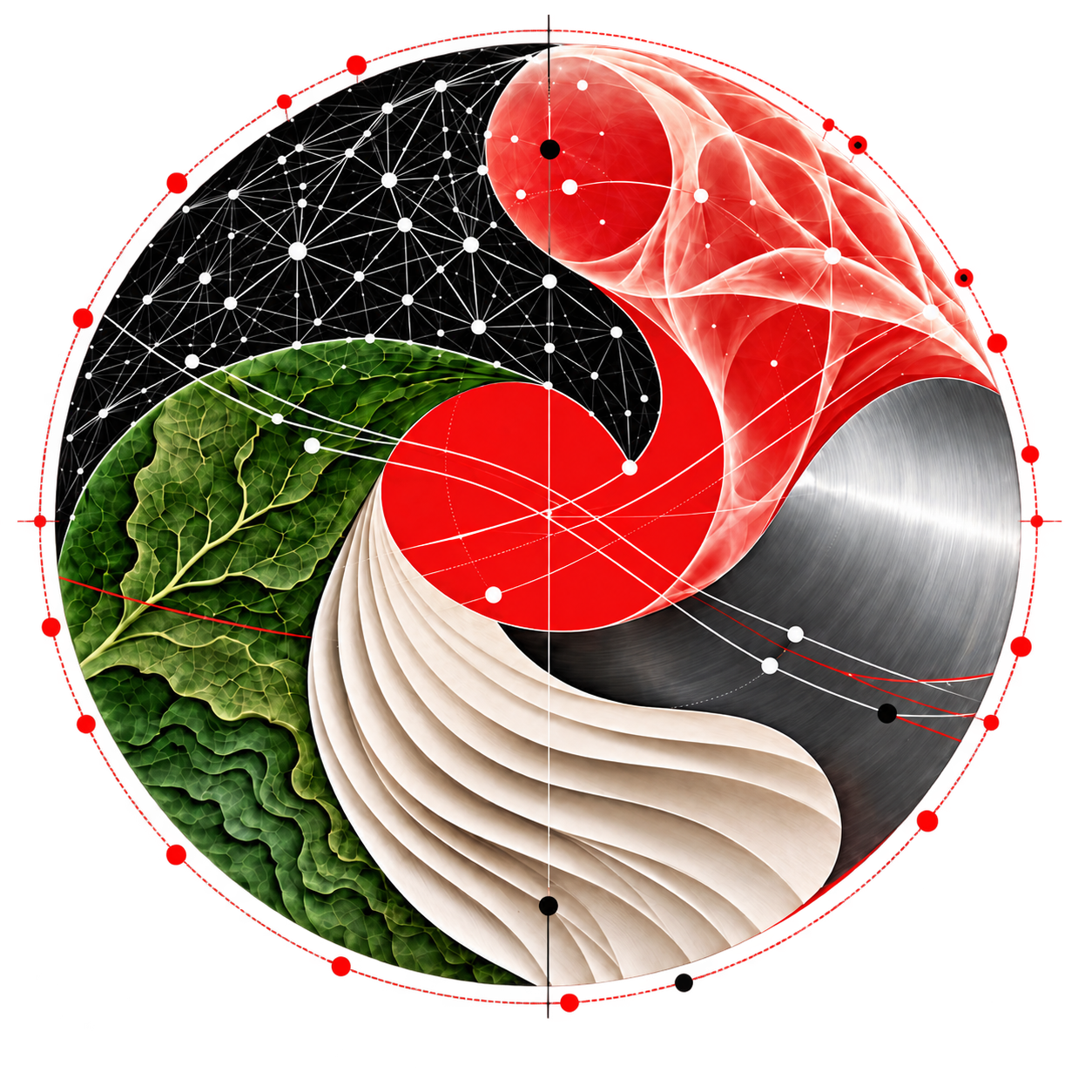
PLANET
Ecological, civic and national resilience
LEARNING
Distributed education and collective intelligence
INTELLIGENCE
AI, data and systems
FABRICATION
From mass production to personal fabrication
RELATIONSHIPS
Living and responsive environments
Design
PROGRAM
09:30–10:00 OPENING From Vision to National Capability
Welcome. Fab Lab Armenia Introduces a Global Network of Practitioners of Transformation Through the Mindset of Nexial Design
Jacqueline Karaaslanian
Co-Founder and CEO, Learning Learning Architects; Co-Founder and Board Member, Fab Lab Armenia Education FoundationFab Lab Armenia introduces Nexial Design: a new paradigm for a hyperconnected world moving at vertiginous speed. Together, we are revisiting what citizenship, learning, design, production, manufacturing, and industry mean today. You're about to meet a worldwide community already shaping the future that is already unfolding everywhere.
The Joy of Not Knowing: Artists, scientists, and the productive space of the unknown
Anna Gargarian
Creative Strategist; Head of Design and Development, State Academy of Fine Arts of Armenia, Dilijan; Board Member, Fab Lab Armenia Education FoundationWhat might artists and scientists have in common when they confront questions that cannot be easily answered? From E.A.T. at Bell Labs to CETI in Byurakan, the talk explores curiosity, humor, collaboration, and discovery — and how these principles might shape a future Nexial Fine Arts Academy in Dilijan.
10:00–12:10 SESSION I Designing the Systems We Live Within
Nexial Design: Beyond a Discipline, Shaping the New Citizenship
Dominique Sciamma
Founder and Director, CY École de Design; President, We Design Design SchoolsDesign is no longer just a craft, a renewed discipline — it's becoming a way of thinking, and everyone needs this new skill. This talk makes the case for design as a basic skill for citizenship, and for what it takes to teach it at scale.
From AI to AI: Designing Relationships with Evolving Systems
Florent Aziosmanoff
Digital Artist, Author, and Theorist; Founder, Living Art Lab; Co-Founder, Le CubeWhat richer possibilities for AI can we explore alongside those shaped by industry and finance? Understanding AI’s underlying mechanisms helps creators limit harm and design relationships that foster creativity and strengthen human autonomy.
Creating Digital Trust at the Service of People and Nations
Nerses Yeritsyan
Chairman, Information Systems Authority of Armenia; Co-Founding Board Member, Fab Lab Armenia Education FoundationTrust is not inherited — it is designed, one system and one service at a time. This talk makes the case for a nation redesigning itself in real time, working to keep pace with a fast-changing world.
Presenting the Emerging Generation of Nexialists
Presented by Onik Babajanyan, Anoush Arshakyan, Maxime Richard, Rudolf Igityan, Syuzanna Martirosyan, Areg Khalatyan, Mariam Daghbashyan, Elen Grigoryan, Mkhitar Evoyan
Nine projects from the exhibition are presented — working prototypes — so that the day's argument is demonstrated before it is debated. The full exhibition opens at the buffet.
From Complex Technologies to Systems That Serve Society
Moderator: Jacqueline Karaaslanian
Panelists:Dominique Sciamma, Florent Aziosmanoff, Nerses Yeritsyan, Anna Gargarian
The discussion explores how design can move beyond isolated products and technologies to shape intelligent systems that strengthen society, institutions, and national capability. Audience questions form an integral part of the dialogue.
12:10–12:50 BUFFET + EXHIBITION Meet the Emerging Generation of Nexialists
Meet the Emerging Generation of Nexialists
Meet the emerging generation of Nexialists and discover their projects through posters, prototypes, and demonstrations.
12:50–14:00 SESSION II Creating and Preserving Culture in a Technological Age
Ancient Civilizations, Contemporary Responsibility
Haykuhi Muradyan
Cultural Studies Scholar; Lecturer, Yerevan State UniversityWhat can the experience of ancient civilizations teach us about continuity, resilience, and our responsibility to future generations?
Weaving knowledge for a New Reality
Ancestral Armenian Techniques Meet Bio-fabrication and the Circular Economy
Anoush Arshakyan
Creative Content Developer, Lead, Fabricademy Program, Fab Lab Armenia Education FoundationErika Mirzoyan
Immersive Media Designer, Fabricademy Global Instructor, Biomaterial Explorer, Fab Lab Armenia Education FoundationHow can the convergence of artistic practice, computation, digital fabrication, and biomaterials generate new forms of creative knowledge? What happens when we start thinking of nature, technology, biomaterial fabrication in a circular creation and production framework, contributing to a new intelligence in an interconnected world. Erika will showcase projects and products in process.
From Artistic Imagination to Real-World Solutions
Connecting fine arts, design and digital fabrication in Gyumri
Vahagn Ghukasyan
Director, Gyumri Branch of State Academy of Fine Arts of ArmeniaYoung creators always explore new ideas, experiment with new media, and seek new forms of artistic expression. By connecting fine arts, design and digital fabrication, the Academy nurtures and augments their creative potential and output—helping them imagine new futures and new ways to contribute to society.
Art, Technology, and the Creative Industries
Moderator: Anna Gargarian
Panelists: Florent Aziosmanoff, Anoush Arshakyan, Dominique Sciamma, Haykuhi Muradyan, Erika Mirzoyan, Vahagn Ghukasyan
How are AI, digital technologies, and new creative industries transforming the roles of artists, institutions, collectors, and cultural economies?
How does Nexial Design change what it means to know something? Where do art and design differ, and where do they converge? How do we preserve creative work made with technologies that constantly change? How can collaboration between Fab Lab Armenia and the State Academy of Fine Arts of Armenia become a living prototype for Armenia's future design culture?
14:00–15:00 SESSION III From Schools to Distributed Learning Communities
From Mass Production to Personal Fabrication
Onik Babajanyan
CEO, Fab Lab Armenia Education FoundationWhat does a decade of Fab Lab Armenia teach about learning through making? Onik Babajanyan reports from the ground: what young people build when they are given tools, a network, and a real problem — and what it takes to make that the norm rather than the exception.
Rural and Community-Based Learning Infrastructure
Serob Khachatryan
Professor, Yerevan State University; Education Expert, Children of Armenia Fund (COAF)Armenia's rural communities are usually described as an access problem and lagging behind. Serob Khachatryan reframes them as the natural home for powerful distributed learning: what a quality village school can become and how it can contribute as a creative node in a national and international network.
From Computer Science and AI Literacy
to Real-World Solutions
Connecting Learning, Talent and Enterprise
Narek Aslikyan
Co-founder and CEO, Armenian Code AcademyHow Armenia Code Academy responds to the challenge of offering quality technological education accessible across Armenia and to support sustainable development.
15:00–15:25 COFFEE + EXHIBITION Nexialist Solutions Exhibition: Guided Dialogue
Nexialist Solutions Exhibition: Guided Dialogue
Guided by Onik Babajanyan, Anoush Arshakyan and Anna Badalyan
The emerging generation of Nexialists presents posters, prototypes, and project presentations displayed in the conference lobby. Participants are invited to engage with the presenters, offer feedback, and identify ideas with potential for further development.
15:25–16:00 COLLECTIVE SYNTHESIS AND CLOSING From Five Domains to One System
Toward a Nexial Design Mindset – A new Collective Intelligence for a New World
Moderator: Jacqueline Karaaslanian
Panelists: Dominique Sciamma, Nerses Yeritsyan, Anna Gargarian, Florent Aziosmanoff, Serob Khachatryan, Narek Aslikyan, Onik Babajanyan
The concluding session brings together the day's ideas, proposals, and audience contributions around a shared ambition: to strengthen a Nexial Design ecosystem that connects learning organizations, public and private enterprises, creative communities, and international university networks — enabling knowledge, resources, and collaborative projects to move across disciplines and institutions.
SPEAKERS

DOMINIQUE SCIAMMA
Founder and Director, CY École de Design; President, We Design Design Schools
Dominique Sciamma is a mathematician and computer scientist by training who became one of France's leading figures in designing design education. He began as an AI researcher at Bull and led its AI department for Asia from Singapore before working in digital strategy and publishing. He joined Strate School of Design in 1998, founded its Interactive Systems and Objects department in 2007, and directed the school from 2013 to 2020.
Dominique Sciamma is the founder of CY School of Design at CY Cergy Paris Université, the first School of Design in France created within a university (2020). Its model is unique. The five-year program trains "global designers" to work as strategists and decision-makers who shape policies, services and organizations as well as products, much as engineers are trained to understand how a company works. Students study humanities and philosophy alongside design and complete about 20 real-world projects, many with cities and regional partners. They also work with the university's engineering, management and science schools. The school is based on a technology campus in Saint-Germain-en-Laye, and students spend their final two years in apprenticeships. Its stated mission is to prepare designers for the ecological and social transitions ahead.
Dominique Sciamma is also the past president of APCI, France's design promotion agency.
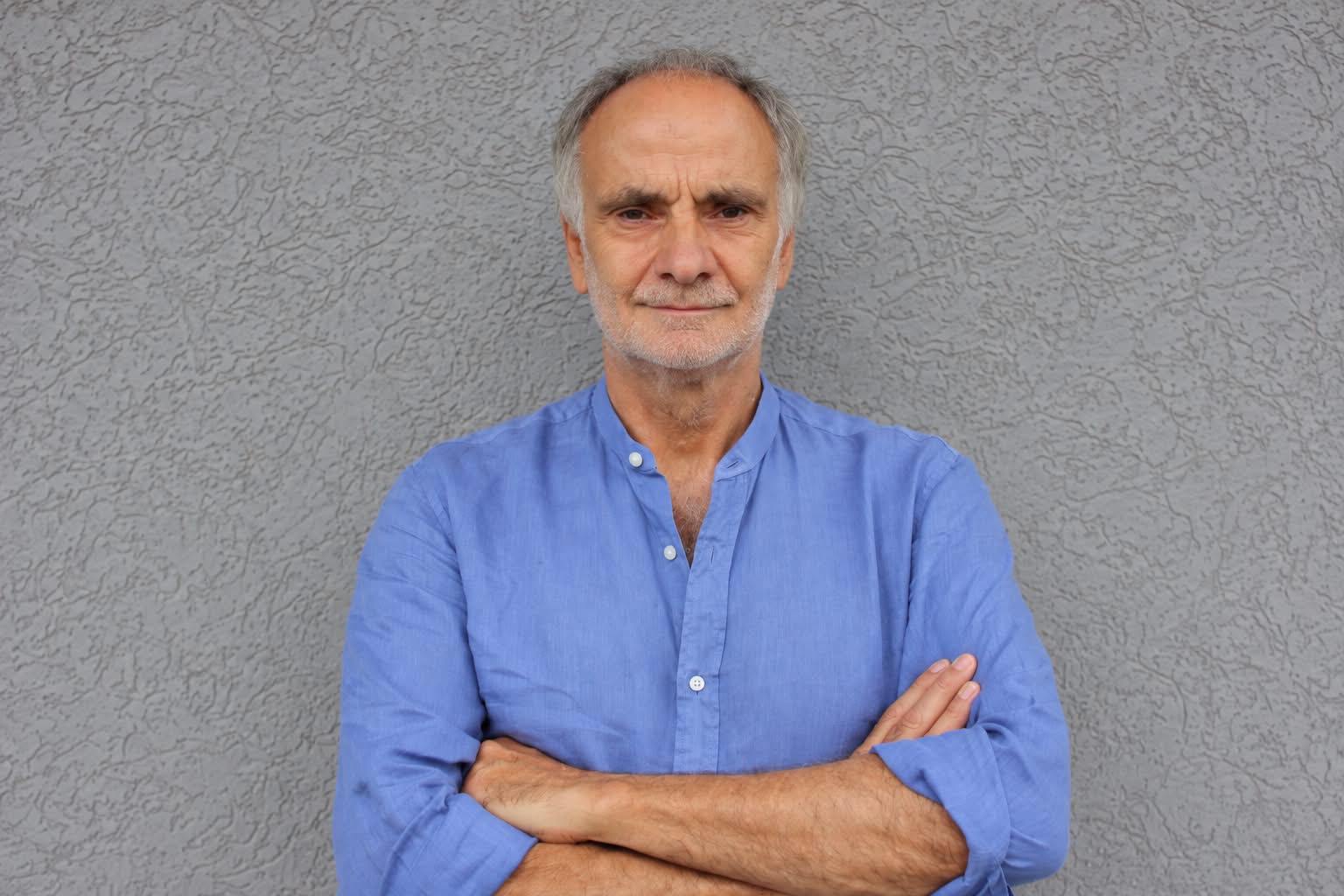
FLORENT AZIOSMANOFF
Digital Artist, Author, and Theorist; Founder, Living Art Lab; Co-Founder, Le Cube
Florent Aziosmanoff is a French artist and theorist who has spent more than 30 years pioneering "Living Art," digital art driven by artificial intelligence. He was born into a family of artists and trained in the behavioral sciences at Paris VIII, EHESS and CNAM. He studied experimental psycho-sociology under Benjamin Matalon, a leading figure in the study of social influence, and cognitive ergonomics under Maurice de Montmollin, a pioneer of human–machine research. Living Art brings these two fields together: an AI artwork is a "behavioral fiction," a machine that acts and responds, and people relate to it almost as they would to another being.
His autonomous robotic works include The Little Red Riding Hood and The Garden of Love, and more recently he created the Living Mona Lisa, a work of living jewelry. He wrote Living Art, Digital Art (2010) and Living Art, Foundations (2015), both published by CNRS Éditions. He founded the journal NOV'ART (1988–97) and co-founded ART3000 (1988) and Le Cube (2001), France's first digital art center. He was Le Cube's creative director for 13 years, training artists, producing works and curating international exhibitions such as the 1st Contact Festival in Paris.
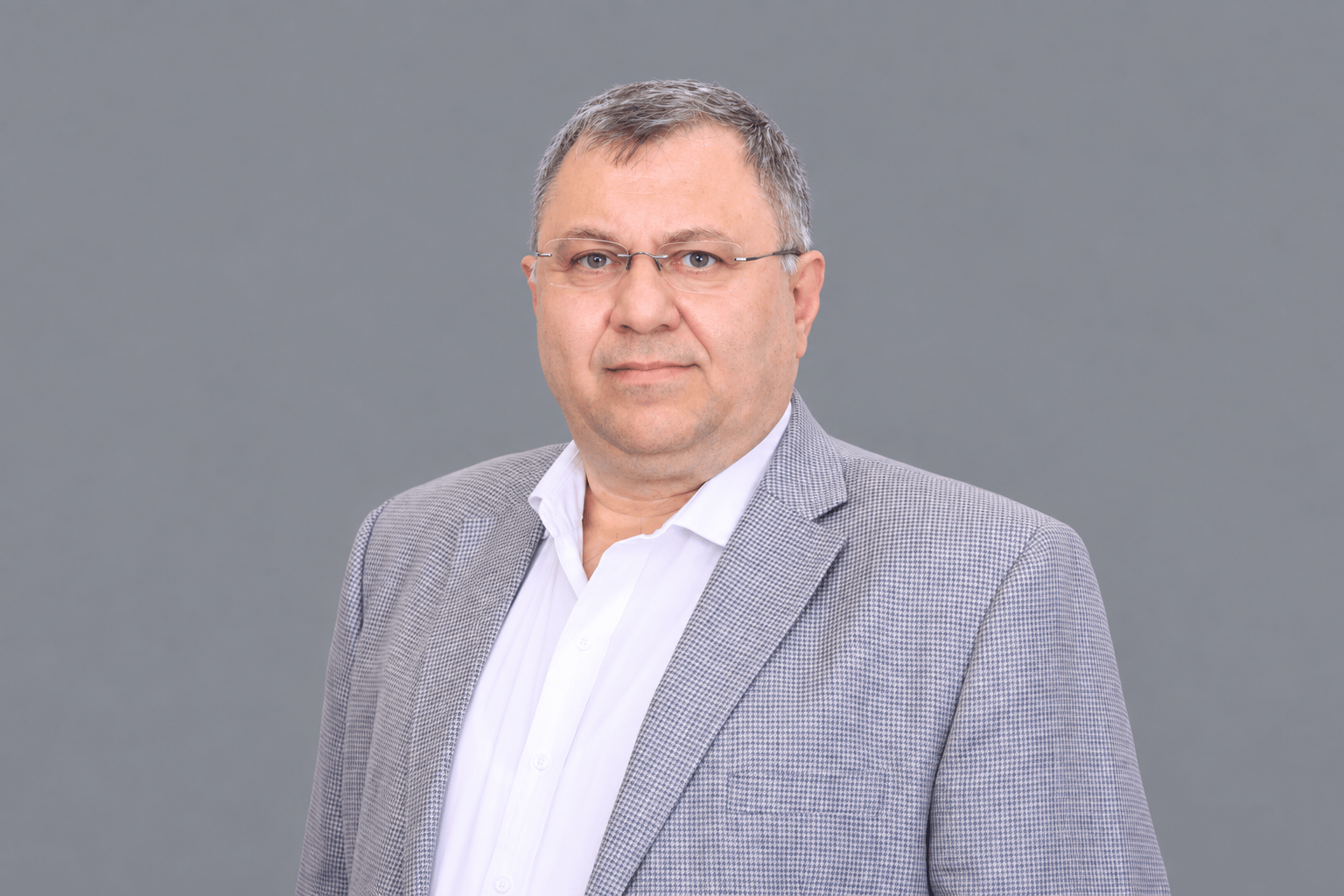
NERSES YERITSYAN
Chairman, Information Systems Authority of Armenia; Co-Founding Board Member, Fab Lab Armenia Education Foundation
Nerses Yeritsyan is the Chairman of the Information Systems Authority of the Republic of Armenia and Secretary of the Digitalization Council. He previously served as Director of the Information Systems Agency of Armenia (ISAA), where he supported the implementation of Armenia's digital transformation reforms and initiatives aimed at building a citizen-centric digital society and economy. Mr. Yeritsyan has more than three decades of leadership experience in public administration, economic policy, financial regulation, and institutional development.
Prior to his current role, Mr. Yeritsyan served as Deputy Governor of the Central Bank of Armenia, where he held numerous senior leadership positions, including founding the Financial Intelligence Unit and heading the Monetary Policy Department. He also served as Minister of Economy of Armenia, Advisor to the Executive Director at the International Monetary Fund, and represented Armenia at the World Bank, IMF, EBRD, and ADB.
Mr. Yeritsyan holds a Ph.D. in Economics and is a graduate of Columbia Business School's Columbia Senior Executive Program (CSEP).

JACQUELINE KARAASLANIAN
Co-Founder and CEO, Learning Learning Architects; Co-Founder and Board Member, Fab Lab Armenia Education Foundation
Jacqueline Karaaslanian is a learning architect and collaboration specialist, Co-Founder of Learning Learning Architects, and a Co-Founder and Board Member of the Fab Lab Armenia Education Foundation. She brings together people across disciplines and cultures to turn emerging ideas into meaningful action.
Her collaboration with MIT professors Seymour Papert and Nicholas Negroponte began in France in 1981 at the Centre Mondial Informatique, continuing at the MIT Media Lab from 1983 to 2009, where she led special projects and managed research groups. Working alongside these pioneers shaped her enduring commitment to constructionist learning—learning through making, experimentation, and collaborative problem solving.
As Founding Executive Director of the Luys Education Foundation (2009–2018), she connected talent development with Armenia’s future. Her international collaborations have included Schlumberger’s SEED program, Le Cube, Harvard’s Graduate School of Design, INVIVIA Studio, the LEGO Foundation, and ministries across several continents.
Her contribution to “Nexial Design: A New Intelligence for a Hyperconnected World” reflects a lifelong practice of connecting knowledge, people, and tools—turning connection into shared understanding and the capacity to imagine, build, and act together.
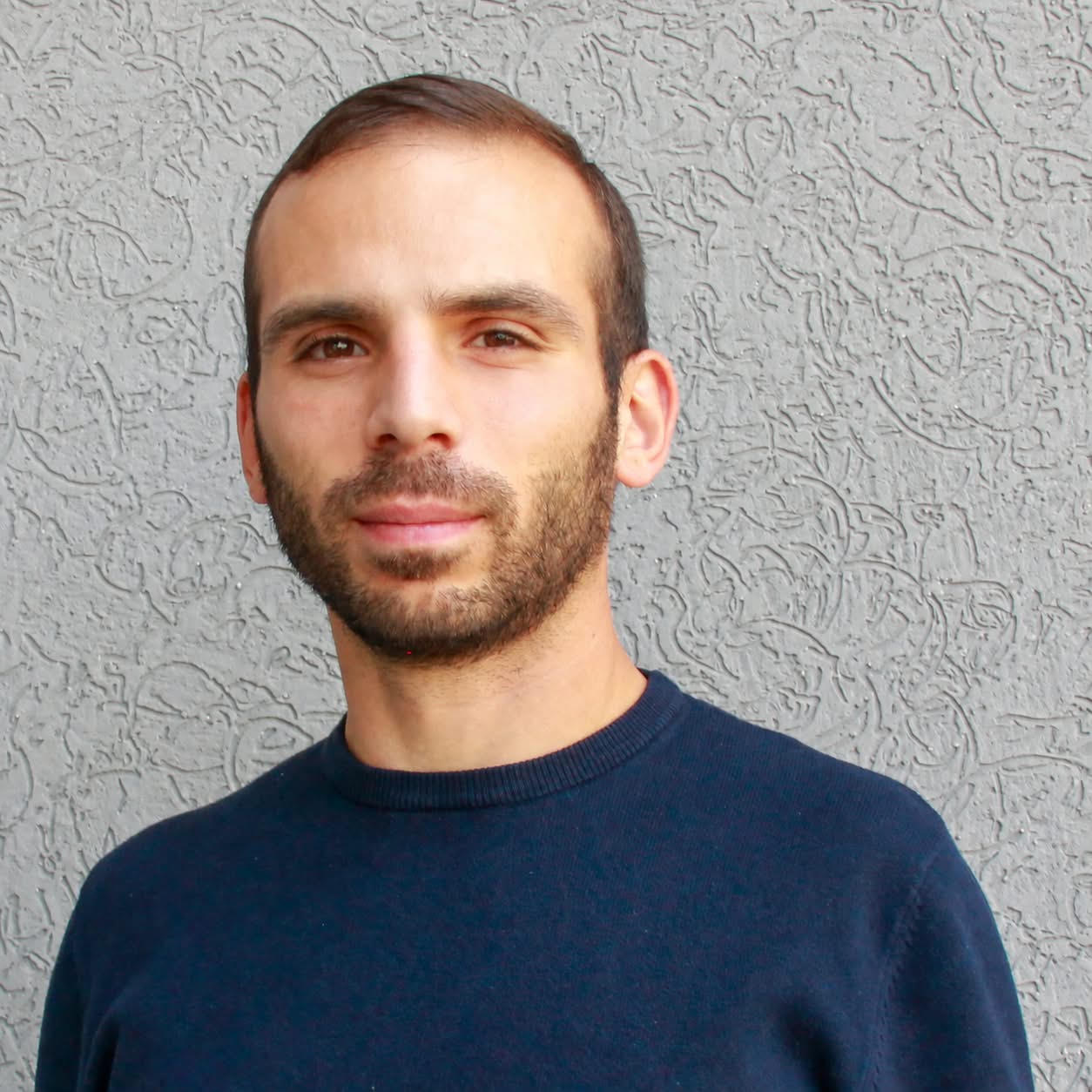
ONIK BABAJANYAN
CEO, Fab Lab Armenia Education Foundation
Onik Babajanyan is an embedded systems engineer, digital fabrication educator, and CEO of Fab Lab Armenia Education Foundation. His work connects engineering, education, and community problem-solving, helping people develop the skills and confidence to turn ideas into working prototypes. Born in Yerevan, his passion for robotics began at Ayb High School and led him to study Radiophysics at Yerevan State University, where he is pursuing a master’s degree in parallel to his functions as CEO of Fab Lab Armenia, Education Foundation.
His career brings together technical expertise, teaching, and leadership under demanding conditions. He was part of the team that won second place at the 2016 National Robotics Challenge in Ohio, mentored students at Ayb High School’s FabLab, and developed firmware for mission-critical hardware at Vgate LLC. As a communications platoon commander in the Armenian Armed Forces, he led ten soldiers and maintained essential communications during the 44-Day War in Artsakh and subsequent operations—experience that strengthened his approach to responsibility, teamwork, and reliable systems.
A 2022 Fab Academy graduate, Onik Babajanyanjoined Fab Lab Armenia after his military service, becoming Director of Operations and Education Programs in 2025 and CEO in 2026. He continues to teach as a Fab Academy instructor, bringing the perspective of a learner into his leadership of the foundation.
For Onik Babajanyan, access to technology gains its value through the people, mentorship, and shared knowledge surrounding it. His work supports Fab Lab Armenia’s growing role as a regional learning hub, connecting students in Armenia and beyond with the global Fab Lab community. From mentoring international learners to helping the team deploy a functioning pop-up lab on a week timeframe, he combines educational ambition with the practical organization needed to make it work.
At the symposium organized by Fab lab Armenia on Nexial Design, his presentation focuses on the transition from Mass Production to Personal Production. He draws on a decade of Fab Lab Armenia’s experience to explore what young people can build when they have tools, a network, and a real problem to solve.
His contribution gives practical expression to nexial thinking: connecting disciplines, people, and resources to move from understanding a challenge to building a solution. It asks how learning through making can become an everyday opportunity—and how individuals and communities can gain the capacity to design and produce what they need.

VAHAGN GHUKASYAN
Director, Gyumri Branch of State Academy of Fine Arts of Armenia
Vahagn Ghukasyan is an Armenian artist, curator, museum professional, and Associate Professor in Art. Based in Gyumri, he works across video art, painting, installation, sound art, and sculpture. His practice connects artistic experimentation with cultural policy, institution building, and regional arts education.
He holds Bachelor’s and Master’s degrees in Painting from the Gyumri Branch of the Yerevan State Academy of Fine Arts. In 2015–2016, he specialized in General Museology in Japan through JICA’s “Museums and Community Development” programme.
Ghukasyan has held solo exhibitions in Armenia, Japan, Lebanon, and the United States, and participated in international exhibitions and residencies. In 2010, he received the Youth Prize of the President of the Republic of Armenia for cinema and art.
He founded the alternative mobile Gyumri Museum of Contemporary Art in 2011 and directed the Gallery of Mariam and Eranuhi Aslamazyan Sisters from 2015 to 2019. He has taught at the Academy’s Gyumri Branch since 2010 and served as its Director since 2019. An ICOM Armenia board member since 2023, he develops platforms that support artists, connect education with communities, and expand access to contemporary art beyond the capital.
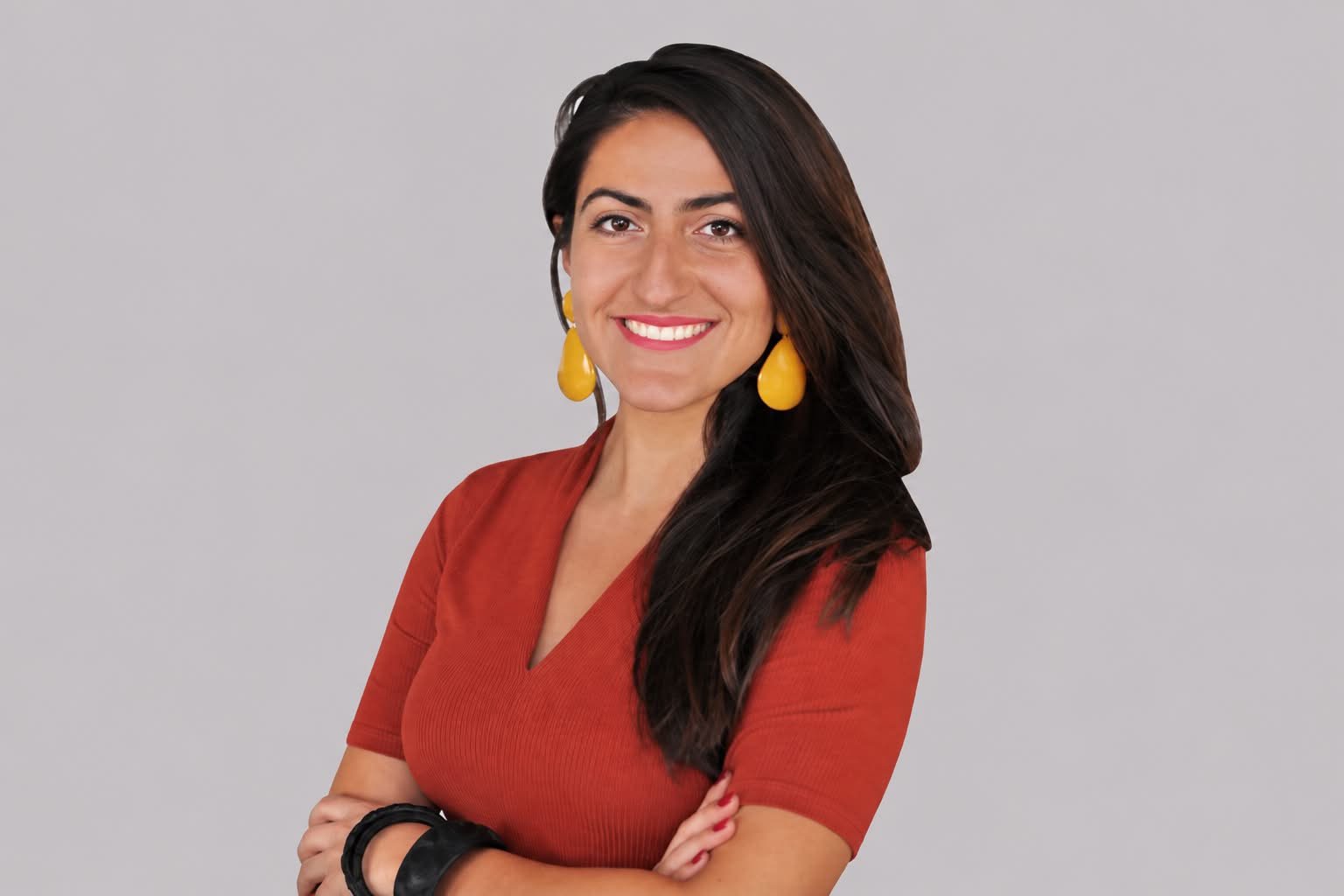
ANNA GARGARIAN
Creative Strategist; Head of Design and Development, State Academy of Fine Arts of Armenia, Dilijan; Board Member, Fab Lab Armenia Education Foundation
Anna Gargarian is a curator and creative strategist working at the intersection of culture, education, and ecosystem development. Born and raised in Boston, she has been based in Yerevan, Armenia, for over a decade. With an academic background in art history and chemistry (NYU), and art restoration (Palazzo Spinelli), her work bridges artistic practice, scientific inquiry, and systems thinking.Anna Gargarian is a curator and creative strategist working at the intersection of culture, education, and ecosystem development. Born and raised in Boston, she has been based in Yerevan, Armenia, for over a decade. With an academic background in art history and chemistry (NYU), and art restoration (Palazzo Spinelli), her work bridges artistic practice, scientific inquiry, and systems thinking.
Her international curatorial practice spans Europe, Asia, and the United States, including projects at the Beijing International Art Biennale (2015) and Venice International Art Biennale (2017). From 2014 to 2020, she founded and directed HAYP Pop Up Gallery, a nomadic contemporary art platform in Armenia. From 2022 to 2025, she designed and led the EU-funded AGBU Katapult Creative Accelerator Program, a landmark initiative catalyzing Armenia’s creative economy. Katapult incubated over 200 businesses and distributed €1 million in seed funding to over 100 creative businesses and cultural institutions, strengthening Armenia’s creative economy.
Today, Gargarian leads design and development initiatives at the State Academy of Fine Arts of Armenia, advancing interdisciplinary education and research. Her current work focuses on transforming the Academy’s Dilijan Campus into a center for research and practice on craft, material, and landscape, connecting art, science, ecology, and local knowledge. Across her work, Gargarian builds platforms, partnerships, and programs that connect disciplines and sectors, cultivating creative ecosystems in which culture becomes a catalyst for innovation and sustainable development.
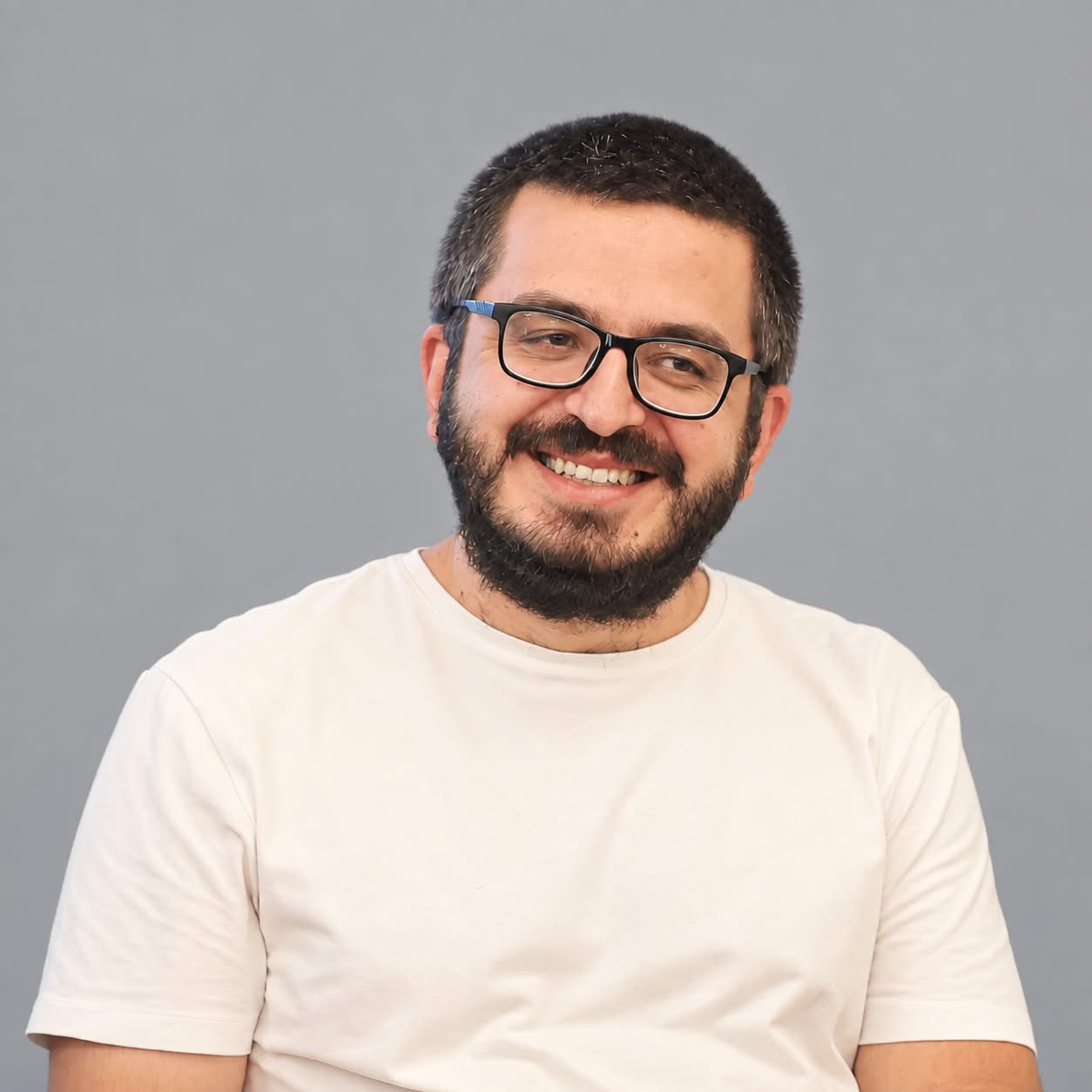
NAREK ASLIKYAN
Co-founder and CEO, Armenian Code Academy
Connecting Learning, Talent and Enterprise
Narek Aslikyan is an education entrepreneur and ecosystem builder working at the intersection of technology, talent development, and public policy. He is Co-Founder and CEO of Armenian Code Academy (ACA), Executive Director of the Technological Education Foundation (TEF), a Board Member at the Union of Advanced Technology Enterprises (UATE), and a Partner at Step Consulting.
Since founding ACA in 2015, he has grown it into a cornerstone of Armenia’s technology talent pipeline. The Academy has trained more than 18,000 professionals, attracted over 80,000 applicants, and built partnerships with more than 150 employers. It is estimated to have trained around a fifth of the country’s technology workforce. Through TEF, he works to broaden access to technological education, connecting talent with opportunities for professional growth and participation in Armenia’s development.
Narek is also Co-Founder and CEO of GMC Academy, which brings practical AI education to healthcare professionals, including through darman.ai, an AI learning platform for physicians. This work connects technological knowledge with medical expertise, helping professionals apply emerging tools within their own fields.
At the Nexial Design symposium—“A New Intelligence for a Hyperconnected World”—Narek brings a practical perspective on connecting learning, talent, and enterprise. His work illustrates how education can cross disciplinary boundaries, bringing AI into dialogue with professional knowledge and human needs. It speaks directly to the symposium’s ambition: developing people who can connect knowledge across fields and turn it into real-world solutions.

HAYKUHI MURADYAN
Cultural Studies Scholar; Lecturer, Yerevan State University
Dr. Muradyan is a cultural studies scholar whose work explores how cultural policy, heritage, and collective memory shape communities and their futures. She leads the Cultural Heritage Monitoring research group at Armenia’s Institute of Archaeology and Ethnography and has lectured at Yerevan State University since 2013, where she earned her PhD in History.
Her research examines Soviet and post-Soviet cultural policy, the transformation of public cultural spaces, and the protection of heritage threatened by conflict and displacement. Through studies of museums, houses of culture, and Armenia’s border settlements, she investigates the relationship between cultural spaces and community life—connecting questions of governance and preservation with those of identity, participation, and belonging. She has led research on the transformation of public cultural space in border communities and contributes to the documentation and monitoring of Artsakh’s endangered heritage through Monument Watch.
She has authored or co-authored around 30 scholarly articles and three monographs, including Cultural Policy in Soviet and Post-Soviet Armenia (2025) and The Museums of Artsakh (Nagorno-Karabakh): Through Peace, War, and Displacement (2025). Her work also includes contributions to the Compendium of Cultural Policies and Trends. She shares her research internationally, with recent talks at Cornell University, the University of Michigan, Södertörn University, and the Aleksanteri Institute in Helsinki.
During the Symposium on Nexial Design: A new Intelligence for an Interconnected World, her talk, “Heritage as a Common Good: Culture, Wellbeing, and Our Responsibility to Future Generations,” she brings cultural research into dialogue with the design of our shared future. She invites us to consider heritage as a living public resource that sustains community wellbeing, identity, and social resilience—and to ask how today’s choices can keep it accessible, meaningful, and generative for future generations.
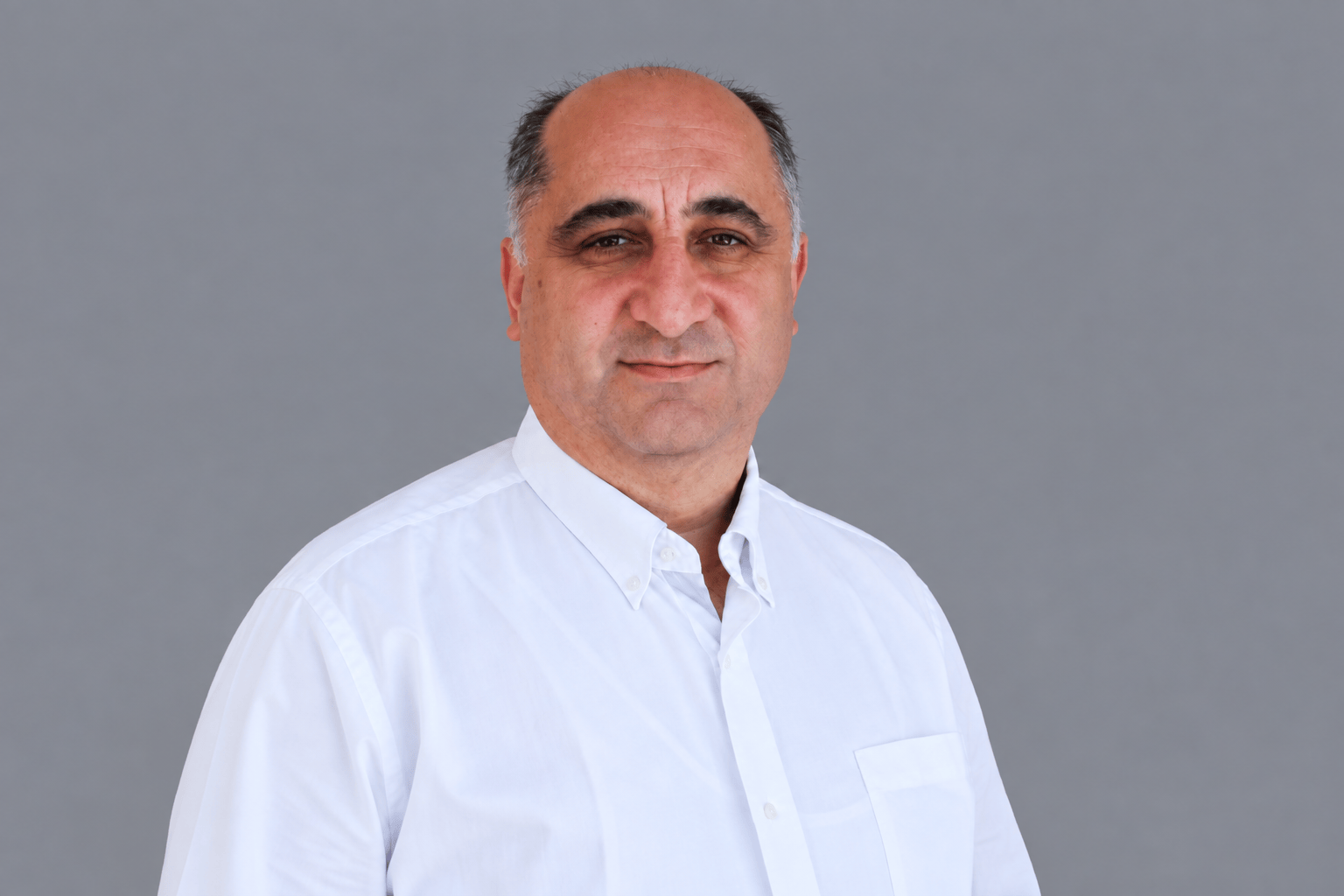
SEROB KHACHATRYAN
Professor, Yerevan State University; Education Expert, Children of Armenia Fund (COAF)
Serob Khachatryan is an Assistant Professor of Philosophy at Yerevan State University, where he has taught since 1997, and Head of the Education Committee at the Children of Armenia Fund (COAF). For more than three decades, he has connected philosophical inquiry with practical educational change, working across teaching, public policy, community engagement, and professional development.
Formerly Editor-in-Chief of the Education newspaper and Executive Director of COAF, he brings experience spanning classrooms, institutions, and communities. As an independent expert, he has advised the World Bank, the European Union, IOM Armenia, and SALAR International on education decentralization, school–community cooperation, curriculum reform, and the monitoring of EU budget support for education.
He designs and delivers training in critical thinking, problem solving, digital tools, and media literacy for educators and public service professionals. He has also trained trainers for FIDE’s Chess in School program and currently contributes to the M.A.M. Foundation’s AI and Education project.
Co-author of three school Social Studies textbooks and two books, and author of more than 30 scientific articles and educational manuals, his research explores values education, the philosophy of education, adult learning, and social-emotional learning.
At Nexial Design, he brings this perspective to the possibilities of rural Armenia. Often described through limited access and lagging development, village communities emerge in his presentation as natural homes for powerful distributed learning. He explores what a quality village school can become: a place where local knowledge, creativity, and global connections meet, contributing as an active, creative node in a national and international learning network.

ANOUSH ARSHAKYAN
Creative Content Developer; Lead of Fabricademy Program; Fab Lab Armenia Education Foundation
Anoush is an art technologist and interdisciplinary practitioner whose work connects art, digital fabrication, material research, and education. She is Head of Creative Research and Programs at Fab Lab Armenia Education Foundation and Fabricademy Program Lead in Armenia.
With a background in art management and curatorial practice, Anoush has expanded her work into experimental making, material research, and the development of interdisciplinary learning environments. Her practice brings a curator’s ability to connect ideas and perspectives into the hands-on exploration of materials, tools, and processes.
A graduate of both Fab Academy and Fabricademy, she works with artists, students, designers, and educators across local and international contexts. Through her engagement with the global Fab Lab Network, she connects international knowledge and experimentation with the development of local capacity in Armenia, including initiatives linked to Fab Lab Gyumri and regional partners.
Her current research explores material intelligence, living systems, open-source culture, and the relationship between traditional knowledge and contemporary technology. These interests open questions about how we learn from the properties and behavior of materials, how knowledge is shared, and how cultural practices can inform new approaches to design.
Her work offers a practical expression of the nexial design mindset: connecting knowledge across disciplines and turning those connections into experiments, learning experiences, and collaborative projects. She brings to the conference a perspective grounded in making—where art, technology, and the living world become complementary sources of understanding and possibility.

ERIKA MIRZOYAN
Immersive Media Designer; Fabricademy Global Instructor; Biomaterial Explorer; Fab Lab Armenia Education Foundation
Erika Mirzoyan is an Immersive Media Designer at Fab Lab Armenia Education Foundation, a Fabricademy Global Instructor, and a biomaterials explorer. Her work brings together graphic design, textile traditions, digital fabrication and material experimentation to explore new relationships between cultural heritage, technology and the natural environment.
With a background in graphic design and a longstanding practice in embroidery and traditional crafts, Erika approaches design as a way to tell stories and create meaningful learning experiences. Her connection to nature, shaped partly by her years as young AGBU Scout, informs her exploration of natural dyes, plant fibres and experimental biomaterials.
Her Fabricademy project, Threads of Tradition, reimagines Armenian mythology as a modular textile book, combining embroidery, appliqué and layered fabrics to invite discovery through touch and storytelling. The project was selected for ARTeFAB, an international exhibition at MIT Media Lab. In 2026, she was also recognised among the Top 3 Makers at Maker Faire Porto, where she presented work exploring clay bioleather garments and accessories.
At Fab Lab Armenia, Erika develops creative projects and educational experiences grounded in experimentation and learning by making. Through her design and teaching, she connects Armenian cultural knowledge with international fabrication communities, inviting others to explore how local traditions and materials can inspire new possibilities.
This symposium brings together pioneers, educators, artists, designers, technologists, institutional leaders, and a new generation of practitioners. Its ambition is to begin building an ecosystem capable of developing the solution designers our complex world needs.
REGISTER